Your Weekly Guide to Evidence-Based Nutrition

Discover curated research insights and get personalized answers from our AI assistant trained on peer-reviewed nutrition science.

Why It Matters

We solve the biggest challenges facing nutrition professionals and enthusiasts today.

🗯️

Drowning in Conflicting Advice?

We cut through the noise with curated, evidence-based research—no fads or trends.

⏱️

Too Busy to Stay Current?

Get a week's worth of nutrition science distilled into five focused minutes.

🛡️

Need Instant, Reliable Answers?

Our AI assistant, trained on peer-reviewed studies, delivers science-backed responses 24/7.

Stay Ahead of the Science.
Lead with Evidence-Based Nutrition.

Nutrition science is evolving faster than ever. From breakthrough research to shifting dietary guidelines, staying current isn't just helpful—it's essential. Our platform delivers the insights you need to make confident nutrition decisions, faster.

đź“…

Weekly Digest

Lightning-fast roundup of the week's must-read studies—delivered every Tuesday morning.

📜

Plain-Language Summaries

We strip out the acronyms so you can act, teach, or brief today.

🤖

AI Research Assistant

Ask follow-up questions on any paper and get instant, cited answers.

đź§ 

Expert Curation

Hand-picked by PhD-level editors—no sponsored content, ever.

🗣️

Community Forum (beta)

Swap insights with 4K+ peers; crowd-source real-world solutions.

Request early access →
Featured Story

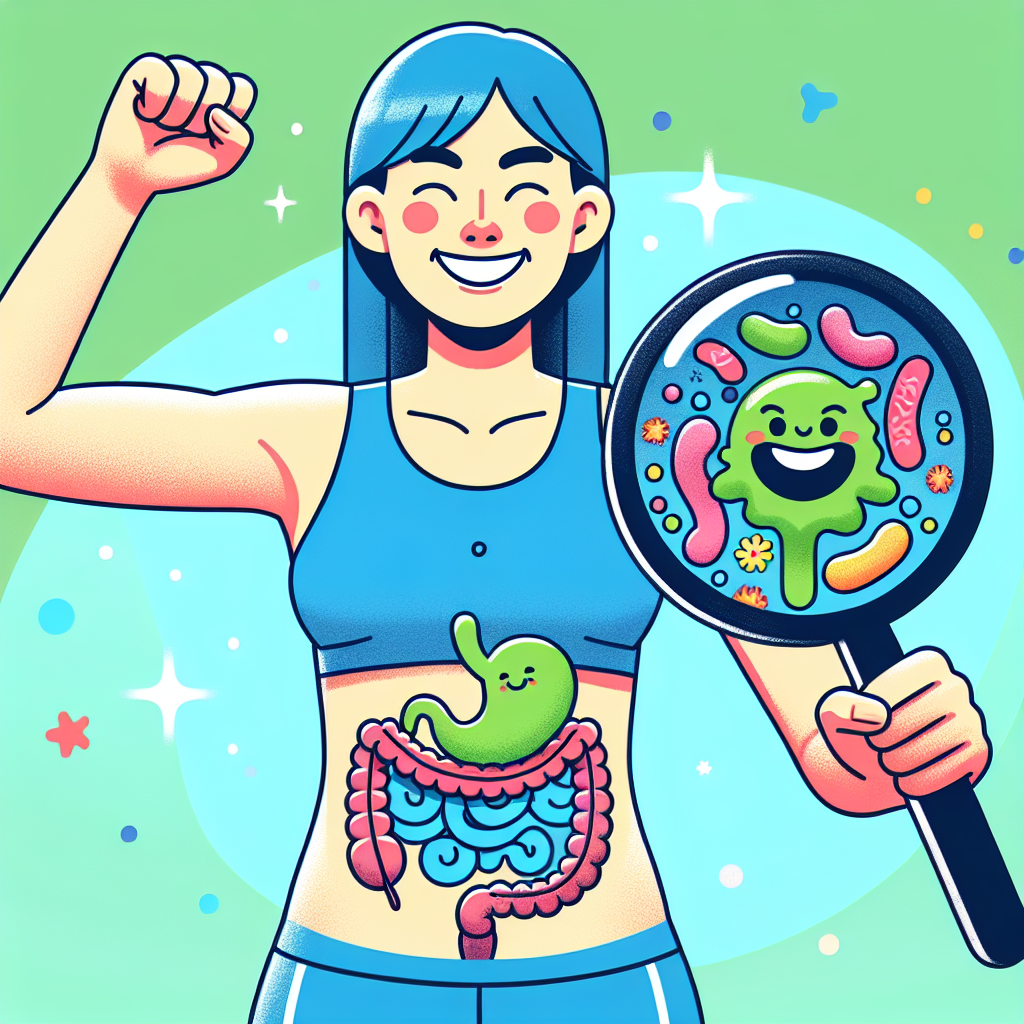
Harnessing the Power of the Gut Microbiome: A Pathway to Better Health and Well-being

August 5, 2025 · 5 min read

The Gut Microbiome: A Critical Player in Health In recent years, the gut microbiome has emerged as a significant factor influencing human health. This community of trillions of microorganisms residing in the digestive tract plays a crucial role in maintaining bodily functions, from digestion to mental health. The microbiome’s impact extends beyond simple processes; it […]

Read analysis

Recent Blogs

Latest Research Articles

See more
pubmed

How Inflammation and Nutrition Hint at Amputation Risk in Type 2 Diabetes Foot Ulcers

He J; Sun J; Wu J; Yu J; Zhu L; Lu W

The study looked at how swelling and poor nutrition change the health of people with diabetic foot ulcers. It used computer models to see if these factors could predict who might need a foot amputation.

Read article
pubmed

WWP1 Protein Affects Fat Tissue Changes but Not Lifespan from Caloric Restriction in Mice

Nozaki Y; Miura K; Yajima K; Hoshino S; Tamori S; Mizunoe Y; Kobayashi M; Higami Y

Scientists studied the effect of a protein called WWP1 on how eating less affects the lifespan and fat storage in mice. They found that this protein doesn't change how long mice live when they eat less but helps control fat storage in certain body parts. This means WWP1 is not needed for mice to live longer when they eat less, but it does play a part in how their body handles fat.

Read article

Trusted by universities, NGOs,
and health agencies worldwide

"Cuts my paper-reading time in half while boosting classroom discussions."
Dr. Ayesha Patel, Johns Hopkins Bloomberg School of Public Health
"Finally, a digest that my busy municipal team actually reads—and acts on."
Miguel Hernández, Health Commissioner, City of Phoenix
"The AI explainer turned dense meta-analyses into clear policy briefs overnight."
Sarah Kim, Program Director, Médecins Sans Frontières

Stay Ahead in Nutrition Science —
Subscribe Now

New research. Evolving guidelines. Breakthrough discoveries. Get everything distilled into weekly, plain-language insights — or risk falling behind.

Free Preview

Sample the digest & AI assistant with limited access.

$0 / forever
  • ✔️ Weekly email highlights (1 article)
  • ✔️ AI assistant (5 queries / week)
  • ✔️ Access to blog archive
  • ✖️ Full research feed & summaries
  • ✖️ Downloadable toolkits
Best value

Weekly Digest (Monthly)

Everything you need to lead with evidence — updated daily.

$10 / month
  • âś… Curated research feed (70+ journals)
  • âś… Plain-language summaries
  • âś… Direct full-text links
  • âś… AI assistant (unlimited)
  • âś… 7-day free trial + 30-day money-back guarantee

Secure payment by Stripe · Cancel anytime

Get the nutrition-science insights you need—
every Tuesday morning.

We scan 70+ journals so you don't have to.
One email. Zero jargon. Unsubscribe anytime.

đź”’ No spam. 1-click opt-out. Privacy-first.

Frequently Asked Questions

How much electricity does the AI use?

Our AI footprint is intentionally small. Based on published estimates of LLM inference energy, this represents roughly 50-200 kWh of electricity annually, about the electricity used by a household refrigerator over two to eight months, or roughly one week of electricity for an average U.S. home. We minimize our footprint by using efficient retrieval-augmented workflows, limiting unnecessary model calls, and keeping responses concise. We also support habitat restoration to offset the remaining emissions. Read more about this effort here.

What do I get on the Free vs Paid plans?

Free = weekly highlight + limited AI queries.
Paid = full research feed, unlimited AI, toolkits, and full-text links when open access is available.

How do I cancel, and do you really offer a money-back guarantee?

Cancel anytime in one click from your dashboard.
Not satisfied in the first 30 days? Email support@pubtrawlr.com for a full refund—no questions asked.

Who curates the research?

PhD-level epidemiologists and health-policy analysts, guided by our peer-review advisory board.

Is the AI assistant safe and accurate?

"Trawly" cites every answer, never trains on your private queries, and is continuously evaluated for bias and hallucinations.

Can I use these summaries and citations in my own work?

Absolutely. Each summary includes APA-formatted citations and direct links so you can verify and reference the original study.

What happens to my data and email?

We follow GDPR and CCPA, encrypt subscriber data at rest, and never sell or share your email—ever.